

Result

This course focuses on BTC packaging and downstream manufacturing assembly, covering various BTC configurations such as QFN, LGA, MLF, SON, and DFN in both periphery-leaded and solder-ball array packages. By the end of this course, you’ll have the knowledge and practical insights needed to achieve high-yield production and build reliable BTC assemblies in today’s demanding electronics industry.
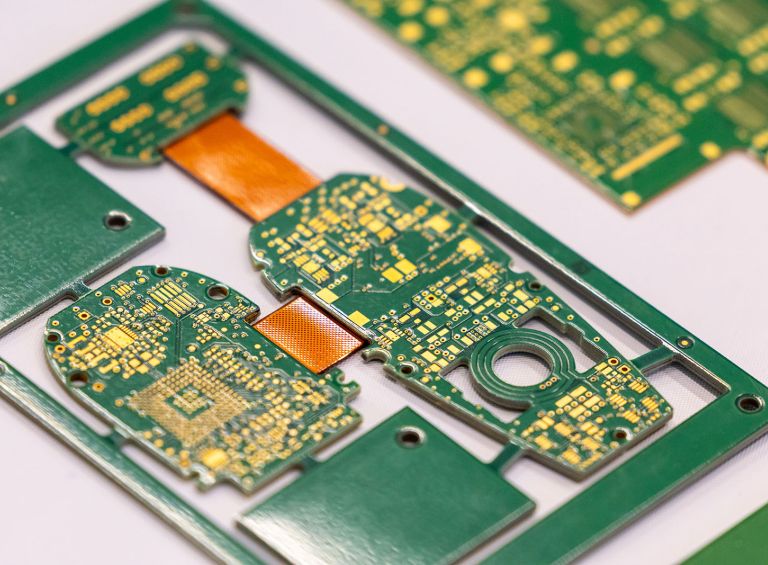
Gain essential skills to design and manufacture high-quality, compliant flexible and rigid-flex printed circuit boards. Led by IPC-certified expert Nick Koop, this interactive two-week course provides a balanced foundation of theory and practical application.

Taught by a certified industry expert with more than 25 years of experience in the field, this 6-week online program introduces participants to the concepts and skills required to create real-world designs that comply with IPC standards. This introductory course will focus on front-end design concepts such as schematic capture, library parts creation, basic electrical engineering concepts, and documentation.
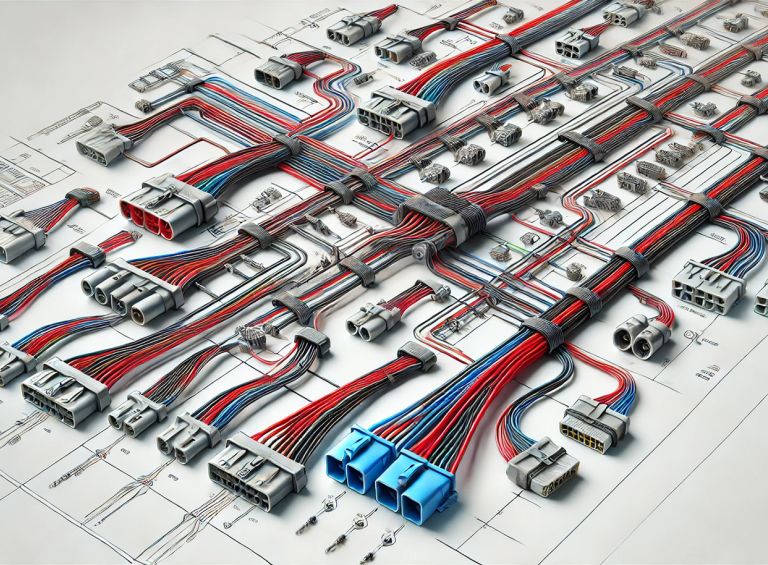
Unleash the potential of wire harness design with our course led by IPC-certified expert Didem Üstün. This two-week intensive program transforms newcomers into skilled designers ready to tackle the complicated challenges of the modern wire harness industry.
In un settore altamente competitivo come quello dell'elettronica, le conoscenze e le competenze di chi progetta il layout del circuito stampato (PCB) e del suo assemblaggio (PBA) hanno un impatto diretto sul successo o sul fallimento del prodotto e incide sul time-to-market. Il corso online sui Fondamenti di PCB IPC è progettato per fornire le competenze necessarie per creare schemi che rispecchino accuratamente l’intento progettuale e la conformità agli standard IPC per la documentazione dello schema.
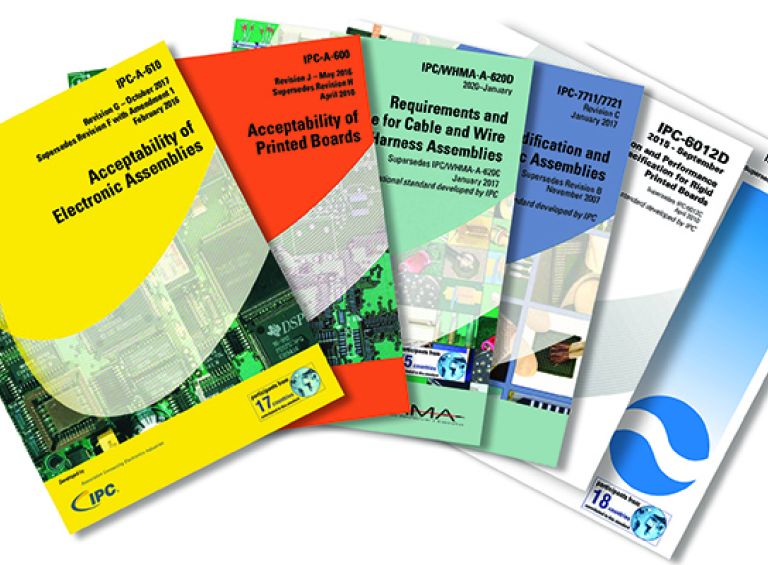
This course is designed to provide designers, assemblers, engineers, and management with a wide overview of PCBA and wire harness manufacturing processes and relevant standards used by industry. Upon completion, participants will be able to:
• Understand the structure and purpose of IPC standards in electronics manufacturing.
• Navigate the IPC standards library and specification tree.
• Identify IPC standards applicable to design, fabrication, assembly, and testing of PCBA and Wire Harnesses.
• Explore the standards covering processes and materials for PCB assembly and testing.
• Create awareness for special industry segments such as automotive and military standards.
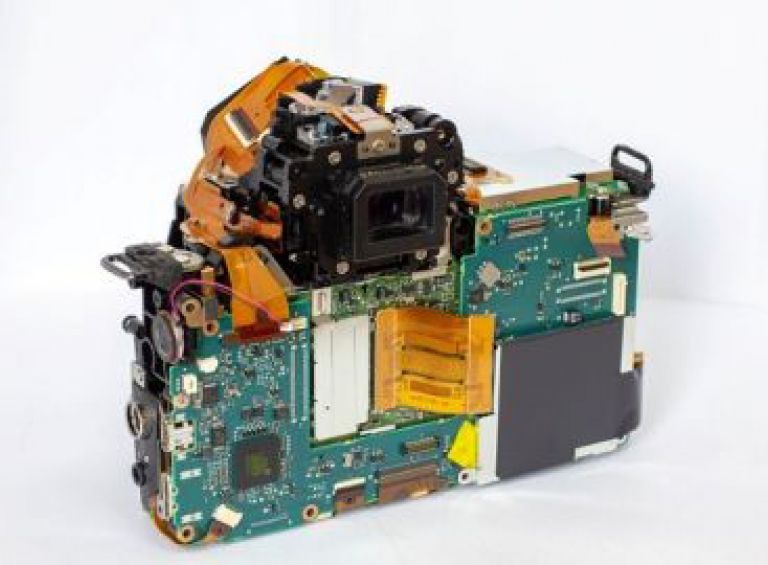
This course is designed to provide the skills necessary to effectively implement designs requiring flex and rigid-flex circuits in accordance with product requirements. PCB Design for Flex & Rigid-Flex Boards also focuses on the impact of these designs on manufacturing and assembly techniques, documentation, and manufacturing file generation.

This course addresses specific design challenges encountered in military and aerospace applications, including the effects of vibration, shock, radiation, and altitude, extended operating temperature range, and other design considerations for high reliability applications. PCB Design for Military & Aerospace Applications also focuses on the impact of these designs on manufacturing and assembly techniques, documentation, and manufacturing file generation.
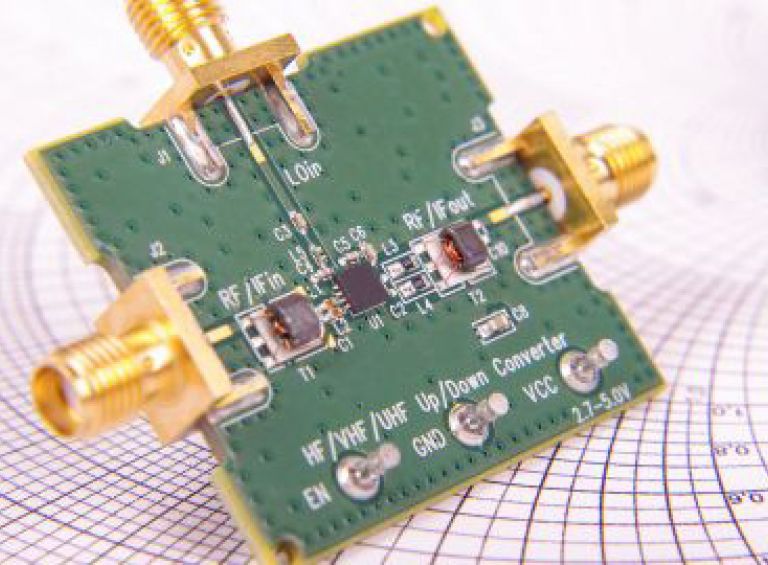
This course provides the theoretical knowledge and practical skills required to create IPC-compliant PCB designs for high-speed analog, radio (RF), and microwave frequencies. This program is designed to provide circuit board designers with a balanced foundation of theoretical knowledge and practical skills in printed circuit board design. Upon completion, participants will be able to:
Design boards for high-speed analog and RF/microwave frequencies.
Understand the trade-offs in materials used in these applications.
Define a board stackup that implements structures that will meet the needs of these designs.
Understand and mitigate signal integrity issues for these designs.
Understand and define the effects of mechanical retention needs for these applications.
Define and implement the tighter manufacturing tolerances needed for these designs.
Understand the use of mixed material stackups in these designs.
Understand the documentation requirements for these designs.

Equip yourself and your team with the knowledge and skills to design and layout PCBs that meet advanced signal integrity requirements, ensuring optimal performance in high-speed digital circuits.
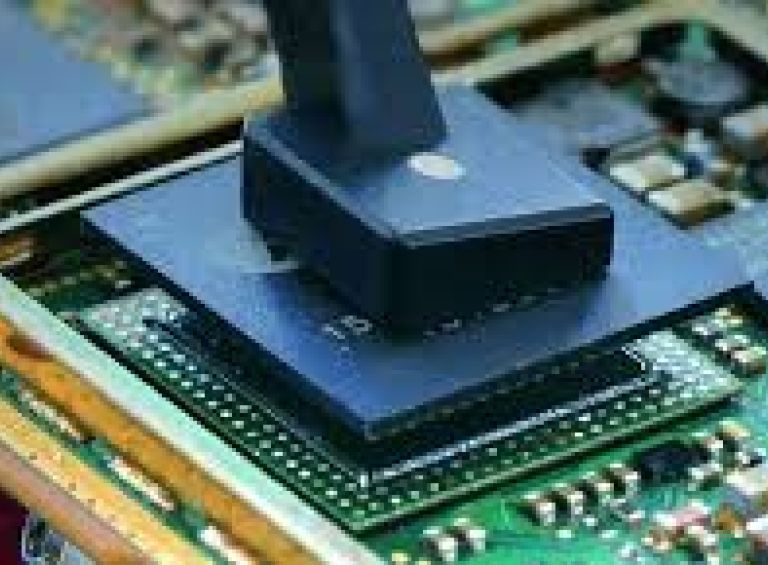
Miniaturizing electronics while increasing circuit density and functionality requires advanced
packaging solutions. Among them, Package-on-Package (PoP) is widely used in Integrated Circuit (IC)
design. This course explores PoP packaging and its role in downstream manufacturing assembly,
focusing on high-yield production and product reliability.
Dive into the dynamic world of semiconductor chips with our expertly designed course, crafted for professionals who aim to master the industry's intricacies. From concept to creation, explore each stage of the semiconductor lifecycle — design, manufacturing, assembly, and testing.

Understand the foundational principles of electrical systems and electronic hardware. Topics include basic DC and AC electrical theory, passive and semiconductor components, the use of basic test tools, and familiarity with common methods of inspection.