

Result

It’s more than a credential; it’s your proof of professional readiness. As a Certified Altium Designer Associate, you demonstrate the technical competence and design discipline employers expect from skilled PCB design engineers. Whether you’re looking to build credibility in your first role or strengthen your standing on a design team, Altium certification sets you apart in a competitive field.

The Certified Advanced Altium Designer is a subject matter professional with advanced knowledge and understanding of Altium Designer software. This certification exam will focus on complex concepts and skills related to navigation, component libraries, schematic capture, PCB designer layout, draftsman, project documentation, customization, and design transfer.
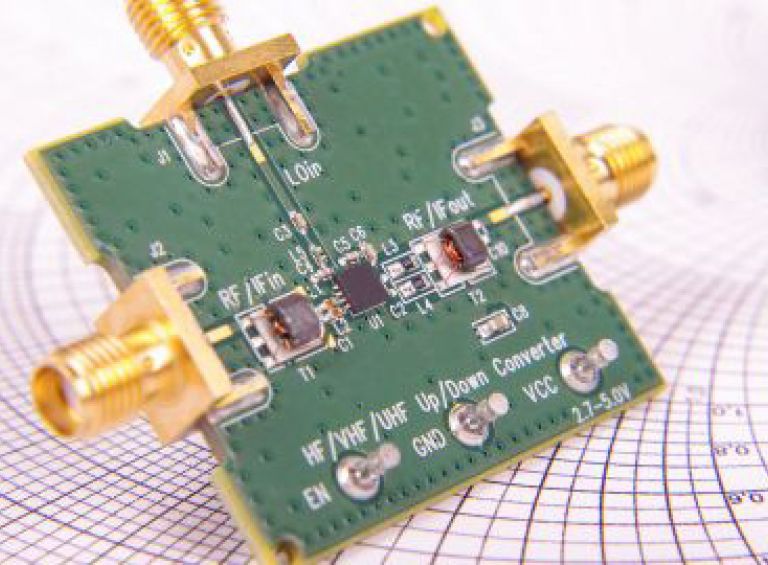
Taught by a process-driven PCB design engineer with more than 30 years of experience in the electronic and aerospace industry, this three-week program aims to improve the board designs from engineers of varying levels of proficiency and elevate your designs to be more precise and yield-worthy. The principles and methods you’ll learn here are essential for adapting to the specific requirements of all boards, including complex RF and mixed-type designs.
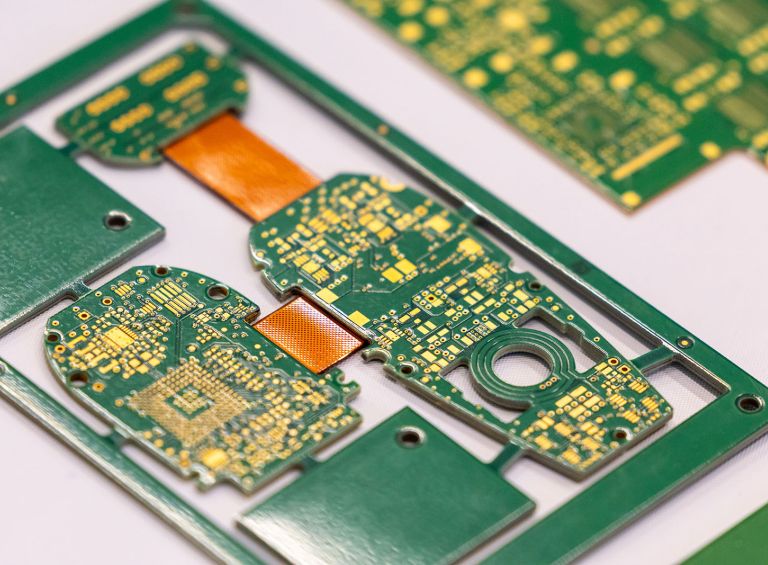
Gain essential skills to design and manufacture high-quality, compliant flexible and rigid-flex printed circuit boards. Led by IPC-certified expert Nick Koop, this interactive two-week course provides a balanced foundation of theory and practical application.
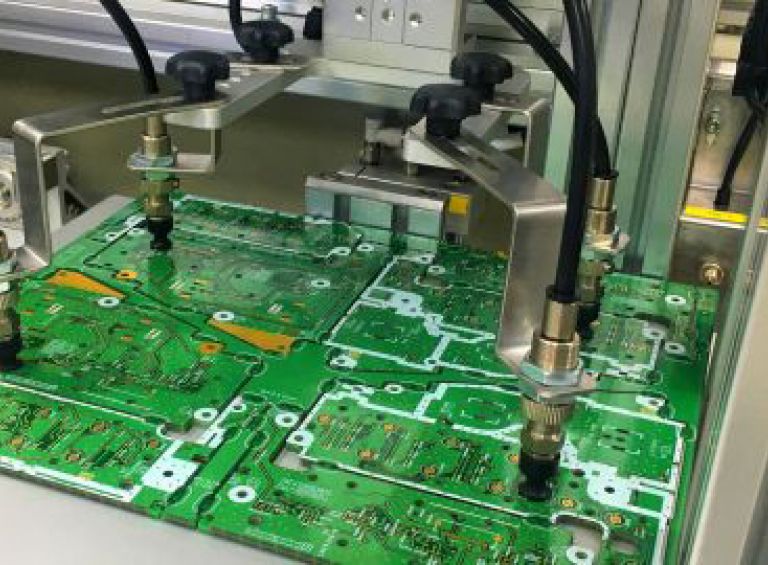
This series of ten micro-modules introduces some of the key concepts required to optimize the design of printed circuit boards for manufacture. If you'd like to learn more after completing the series, consider taking the IPC Design for Manufacturability course.

Taught by a certified industry expert with more than 25 years of experience in the field, this 6-week online program introduces participants to the concepts and skills required to create real-world designs that comply with IPC standards. This introductory course will focus on front-end design concepts such as schematic capture, library parts creation, basic electrical engineering concepts, and documentation.
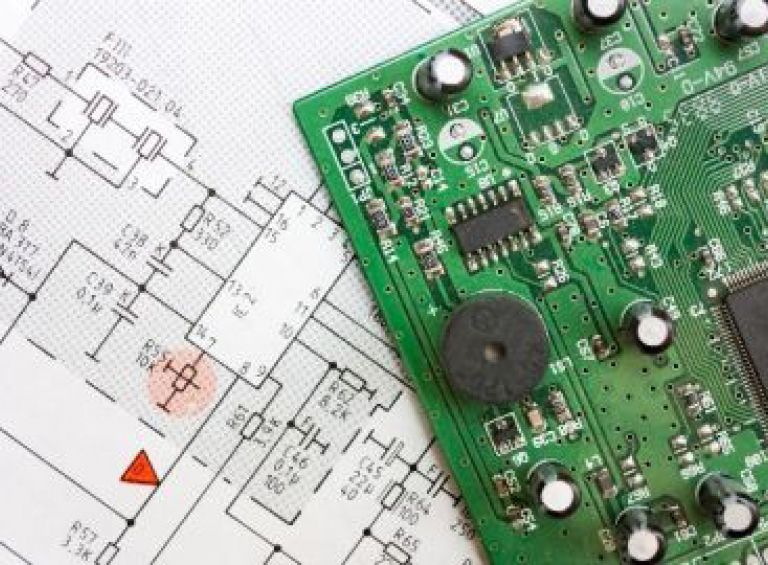
In this course, participants employ the lessons learned in Introduction to PCB Design I to effectively implement their designs using techniques such as multi-layer routing, signal integrity, transmission lines, and more. The course also focuses on how manufacturing and assembly techniques impact design, documentation and manufacturing file generation.
In un settore altamente competitivo come quello dell'elettronica, le conoscenze e le competenze di chi progetta il layout del circuito stampato (PCB) e del suo assemblaggio (PBA) hanno un impatto diretto sul successo o sul fallimento del prodotto e incide sul time-to-market. Il corso online sui Fondamenti di PCB IPC è progettato per fornire le competenze necessarie per creare schemi che rispecchino accuratamente l’intento progettuale e la conformità agli standard IPC per la documentazione dello schema.
In un settore altamente competitivo come quello dell'elettronica, le conoscenze e le competenze di chi progetta il layout del circuito stampato (PCB) e del suo assemblaggio (PBA) hanno un impatto diretto sul successo o sul fallimento del prodotto e incide sul time-to-market. Il corso IPC PCB Fundamentals II è pensato per fornire le competenze necessarie alla progettazione di PCB/PBA che rispecchi _ l'intento progettuale, partendo dalle regole di progettazione necessarie e nel rispetto degli standard IPC.
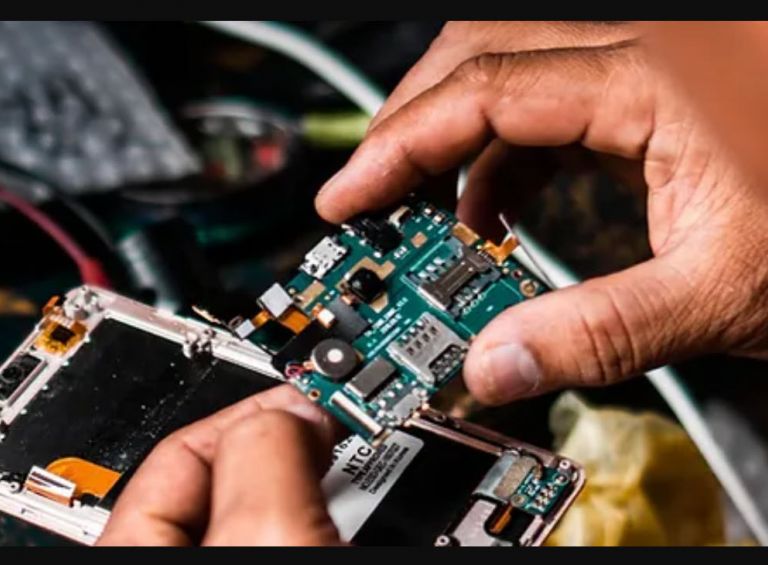
The course will start with design of HDI and advanced packaging concepts. This will be followed by embedded component design and the students will see how concepts from HDI are used in the implementation of embedded components. Next, concepts necessary for the design of wearable electronics and how the use of concepts from HDI and Embedded are necessary to achieve the small size and light weight of wearable electronics.
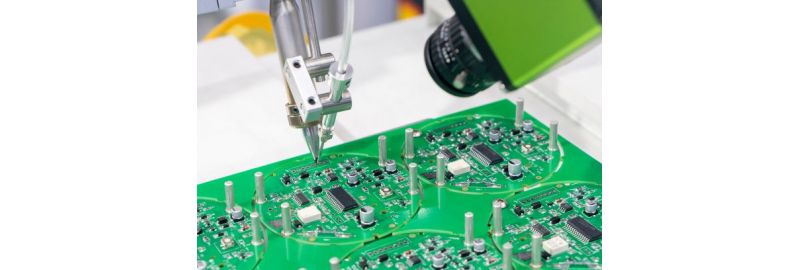
This course introduces advanced PCB design techniques for next-gen applications. Topics include layout, routing, materials, manufacturing, and documentation, with a focus on Ultra HDI, 3D printed electronics, and optical transmission line structures. Learn to design high-performance, manufacturable PCBs for cutting-edge technologies.
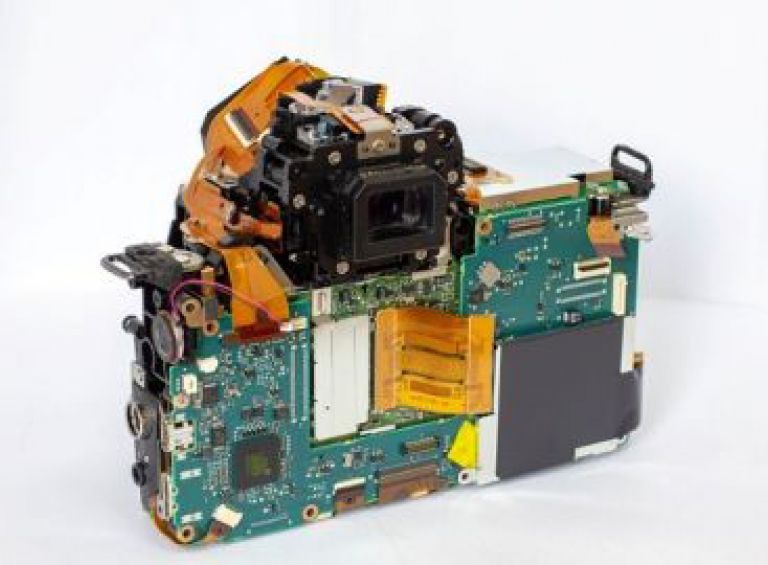
This course is designed to provide the skills necessary to effectively implement designs requiring flex and rigid-flex circuits in accordance with product requirements. PCB Design for Flex & Rigid-Flex Boards also focuses on the impact of these designs on manufacturing and assembly techniques, documentation, and manufacturing file generation.

Taught by an industry expert with more than 40 years of experience in the field, this three-week online program is designed to provide the knowledge and skills necessary to reduce or eliminate design, documentation, and capability issues that often arise when completed PCB designs are sent to the fabricator for production.

This course addresses specific design challenges encountered in military and aerospace applications, including the effects of vibration, shock, radiation, and altitude, extended operating temperature range, and other design considerations for high reliability applications. PCB Design for Military & Aerospace Applications also focuses on the impact of these designs on manufacturing and assembly techniques, documentation, and manufacturing file generation.
This course provides the theoretical knowledge and practical skills required to create IPC-compliant PCB designs for high-speed analog, radio (RF), and microwave frequencies. This program is designed to provide circuit board designers with a balanced foundation of theoretical knowledge and practical skills in printed circuit board design. Upon completion, participants will be able to:
Design boards for high-speed analog and RF/microwave frequencies.
Understand the trade-offs in materials used in these applications.
Define a board stackup that implements structures that will meet the needs of these designs.
Understand and mitigate signal integrity issues for these designs.
Understand and define the effects of mechanical retention needs for these applications.
Define and implement the tighter manufacturing tolerances needed for these designs.
Understand the use of mixed material stackups in these designs.
Understand the documentation requirements for these designs.

Equip yourself and your team with the knowledge and skills to design and layout PCBs that meet advanced signal integrity requirements, ensuring optimal performance in high-speed digital circuits.
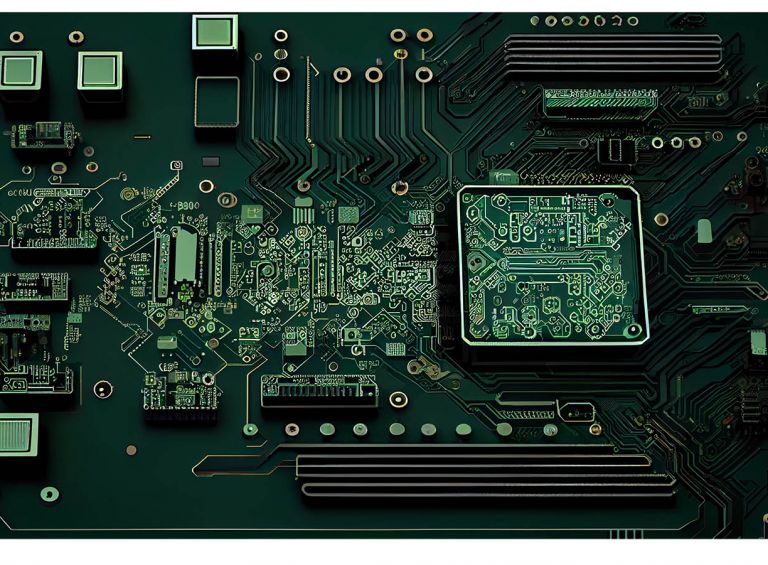
The Transform Your Constraint Engineering PCB Designs course is developed to provide specific paths to understanding Electrical and Mechanical Models which allows the experienced PCB design engineer opportunities to generate specific routing features to help improve, develop, and advance their design skills into a robust engineering skill set.