

Search results for: national institute of electronics as
Result

Taught by an IPC-certified industry expert with more than 30 years of experience in the field, this 6-week online program covers the key business and technical concepts that program managers in the electronics industry need to turn customers into lifelong clients.
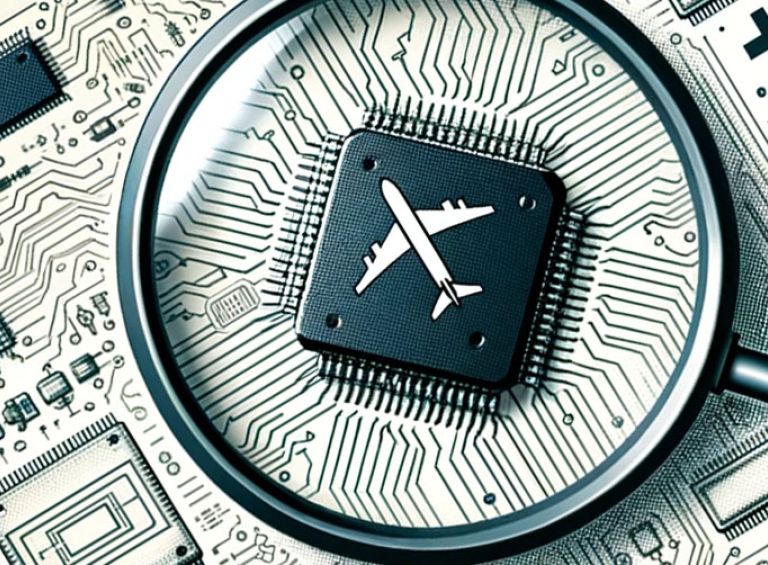
In industries where precision and reliability are non-negotiable, from healthcare to automotive, aerospace, and beyond, the presence of counterfeit electronic components can spell disaster. Not only do these components have the potential to cause significant financial loss, but they also pose serious risks to safety and could be life-threatening.
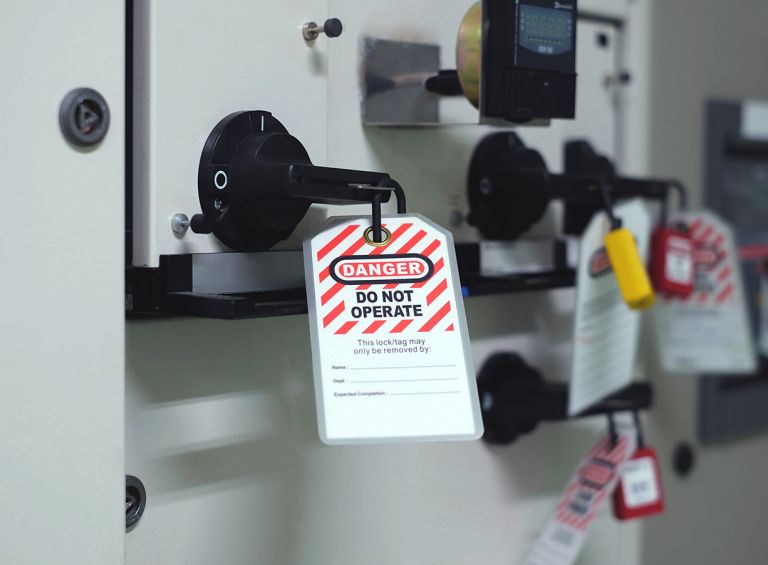
本课程向学员介绍电子制造中最常见的安全实践和工作场所危害。完成本课程后,学员将能够使用旨在确保您和您的同事在制造工厂内安全的关键工具、材料和流程。

Engineers make decisions every day that impact manufacturing. Make sure it's a positive impact by introducing the key concepts, tools, materials, and processes critical for engineers to succeed in electronics assembly.

This course introduces the key concepts, tools, materials, and processes that operators need to know to do their best work. Participants can complete the core set of modules to receive their certificate of qualification, then select among nine voluntary modules for process-specific training.
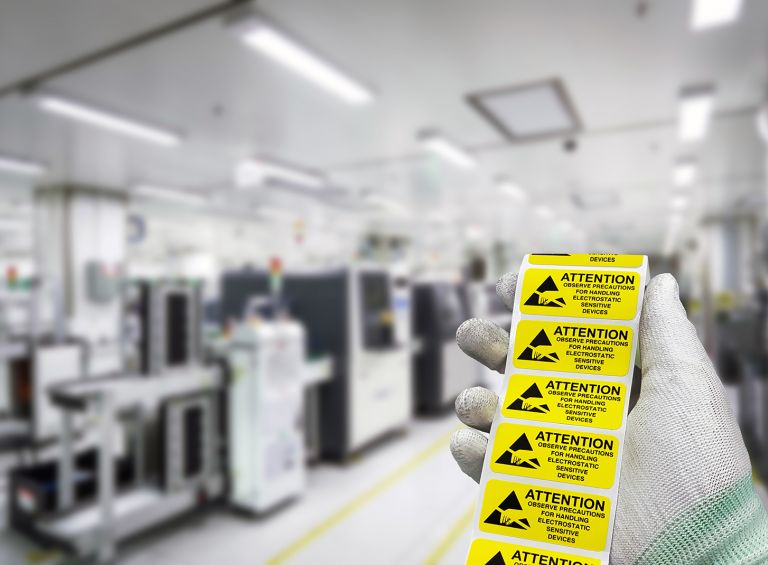
This course introduces participants to the causes of ESD and the steps you can take to mitigate its effects when handling, storing or transporting ESD-sensitive components in a manufacturing facility. These preventive measures and their application are based on ANSI/ESD S20.20 and other relevant standards.
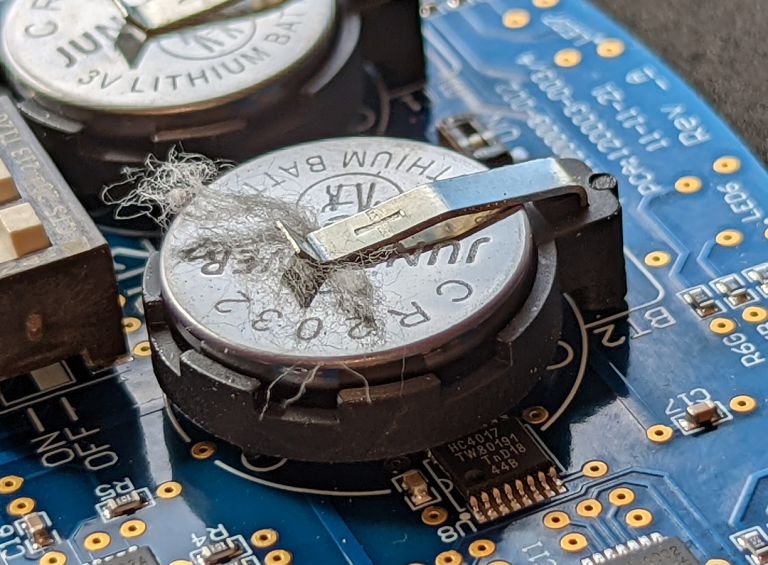
This course introduces participants to the causes of Foreign Object Debris (FOD) and the steps you can take to mitigate its effects when handling, storing, or transporting items in a manufacturing facility. After completing this course, you will be able to employ the key tools, materials, and processes designed to prevent and control the effects of FOD within a manufacturing facility.

Learn how to create industry acceptable solder joints for through-hole and surface mount chip and gull wing components. This innovative multimedia course capitalizes on the power of the hear-see-do methodology to equip students with actionable techniques and best practices they can immediately apply on the job. Students will learn key concepts, tools, and techniques, then use the accompanying practice and project boards, available here, to practice and demonstrate their new skills.
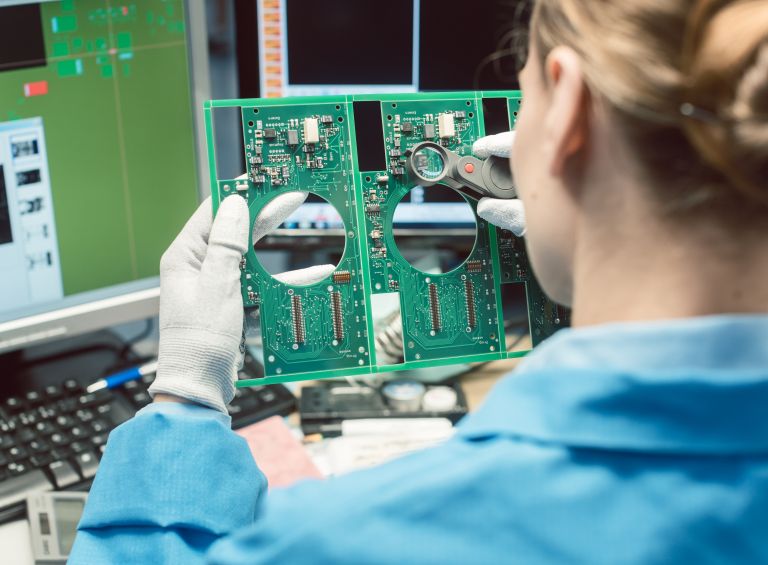
This Inspection of Electronic Assemblies: Introduction course trains participants to perform "incoming inspection" using the essential tools, materials, and processes that deliver consistent quality products. Completion of this course delivers a professional level of proficiency in acceptability standards, inspection methods and tools, documentation, and component characteristics.
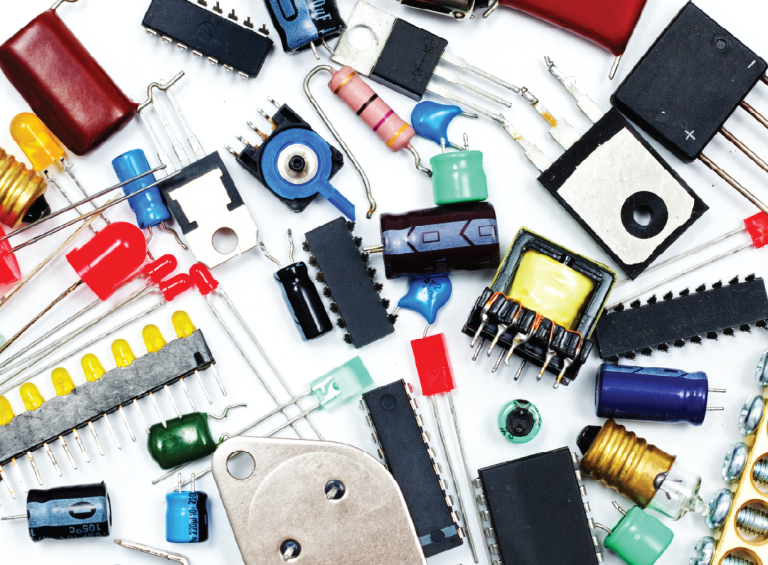
This course is ideal for electronics manufacturing professionals who need a foundational understanding of electronic components and the techniques used to ensure their accurate installation on PCB assemblies.
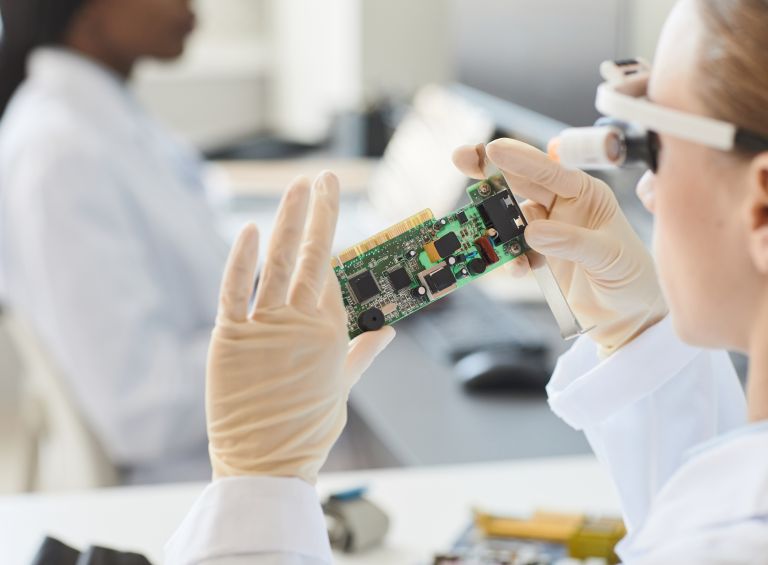
You’ll use IPC-A-610 to align quality expectations, reduce rework, satisfy customer requirements, and support reliable, high-quality production.
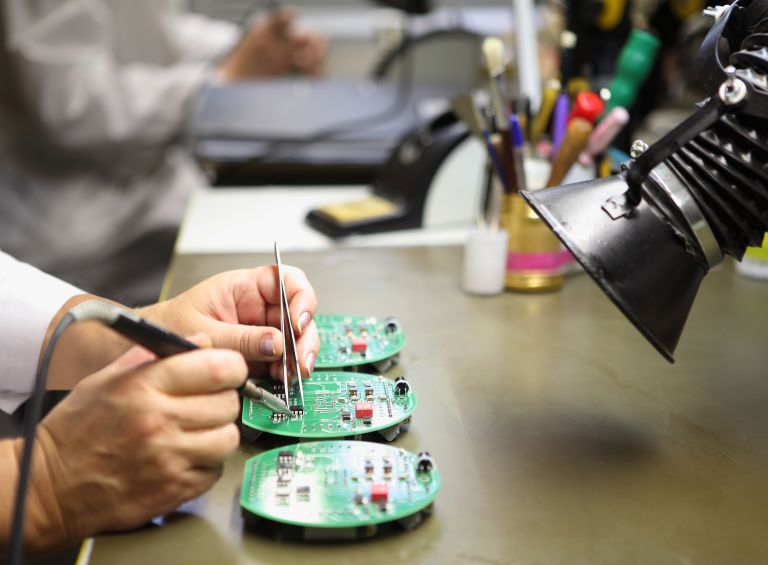
You’ll use J-STD-001 to make sound process decisions, align quality expectations across teams, reduce rework, and support consistent, high-reliability outcomes.
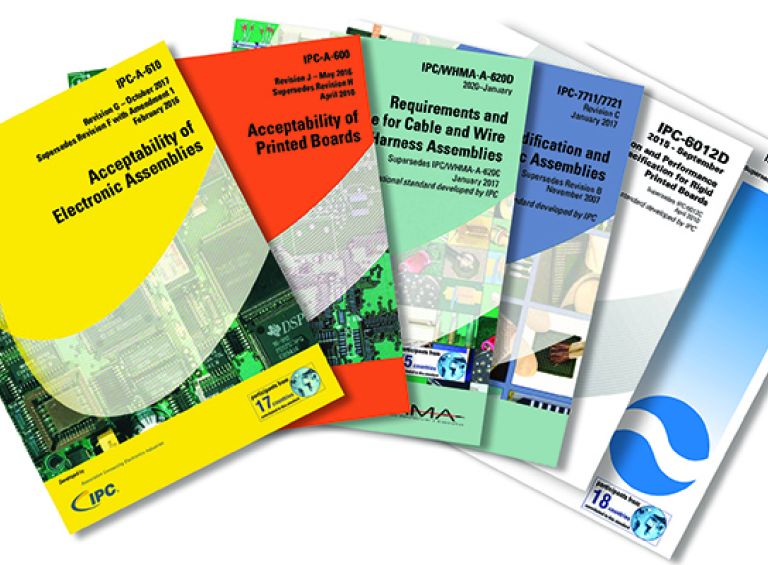
This course is designed to provide designers, assemblers, engineers, and management with a wide overview of PCBA and wire harness manufacturing processes and relevant standards used by industry. Upon completion, participants will be able to:
• Understand the structure and purpose of IPC standards in electronics manufacturing.
• Navigate the IPC standards library and specification tree.
• Identify IPC standards applicable to design, fabrication, assembly, and testing of PCBA and Wire Harnesses.
• Explore the standards covering processes and materials for PCB assembly and testing.
• Create awareness for special industry segments such as automotive and military standards.
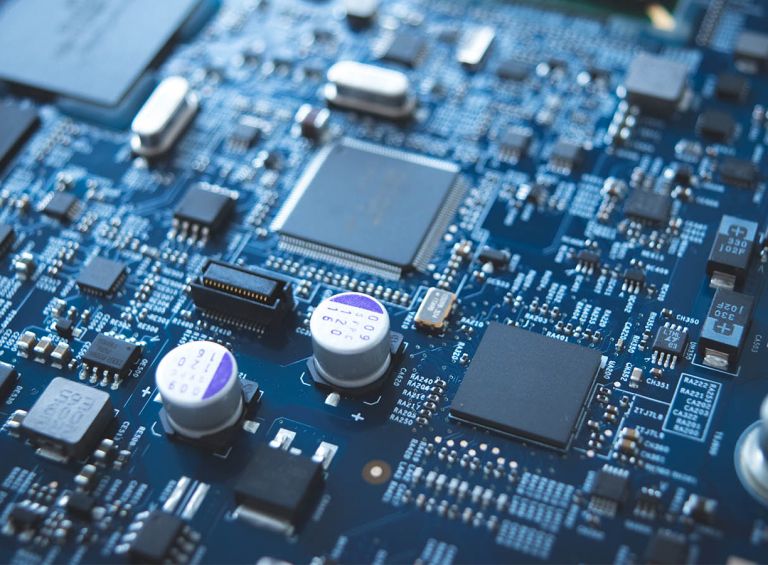
Onboarding manufacturing engineers new to the electronics industry can be a daunting task. What if you had a self-paced course that provides a comprehensive overview of the roles and responsibilities of manufacturing engineers in our industry? IPC worked with industry subject-matter experts and instructional designers to create an introductory course that takes approximately 3-1/2 hours to complete. In addition to understanding the role, participants will also learn to use documentation control systems, product identification, and product traceability.
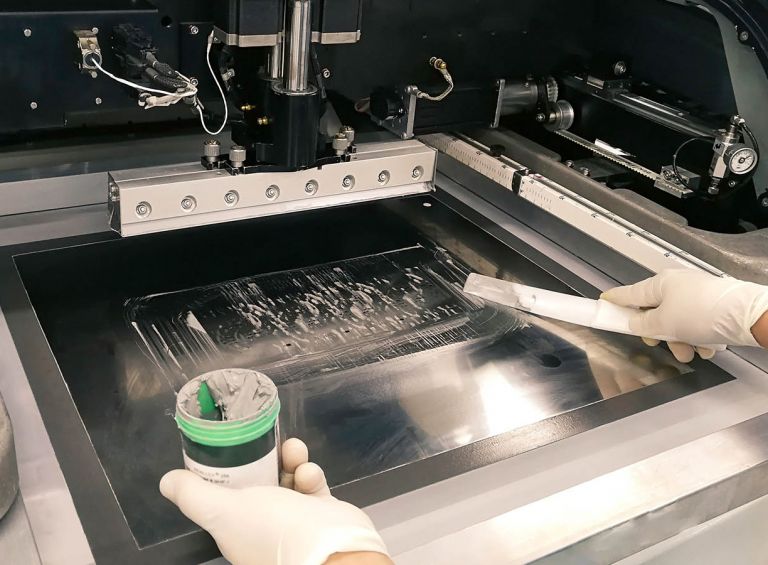
A comprehensive overview of the stencil printing process for a manufacturing engineer. Participants will learn how to select and store solder pastes & adhesives. They will also learn how to create and maintain stencils, the function of the stencil printer, as well as how to set up the stencil printer for a new product introduction, or NPI, run.

This course provides a comprehensive overview of the surface mount assembly process including information on component considerations, selecting and setting up pick and place machines, and the reflow process. Participants can take this content-specific course to learn more about the role of manufacturing engineers regardless of company size and industry sector.
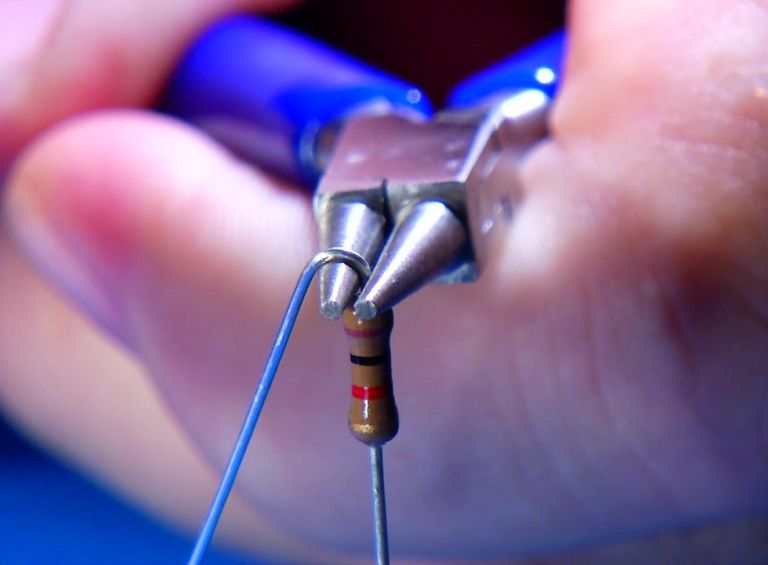
This course provides a comprehensive overview of component preparation, tool selection, manual component insertion, and automated component insertion in electronics assembly with through-hole components. Participants can take this content-specific course to learn more about the role of manufacturing engineers regardless of company size and industry sector.
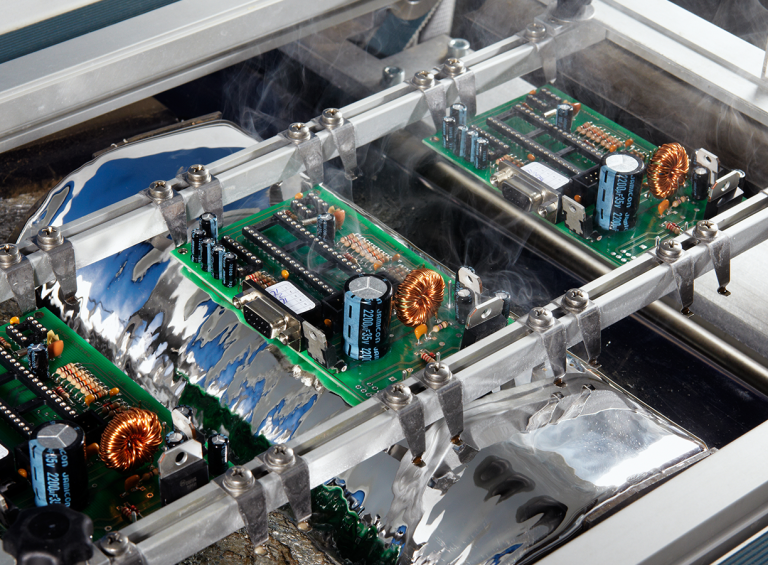
In this course, you will be able to set up, monitor, and maintain wave and selective soldering equipment to support consistent, high-quality production. You will know how to apply process parameters, interpret profile data, select the right nozzles and solder pot configuration, and implement maintenance procedures that reduce variation, prevent common defects, and keep your line running efficiently.
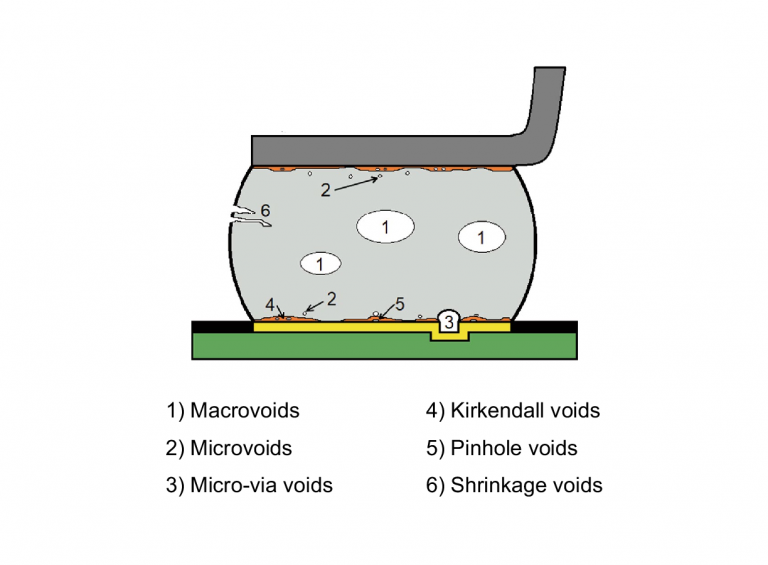
This course aims to enhance product reliability and maintain high production yields by offering comprehensive insights into solder joint voids. We will explore the origins of these voids, understand their causes, and analyze their impacts on solder joint efficacy and overall product dependability.
This course is ideal for operators, technicians, supervisory personnel and other staff members that must consistently and effectively employ the key tools, materials, and processes designed to keep workers safe within a manufacturing facility.
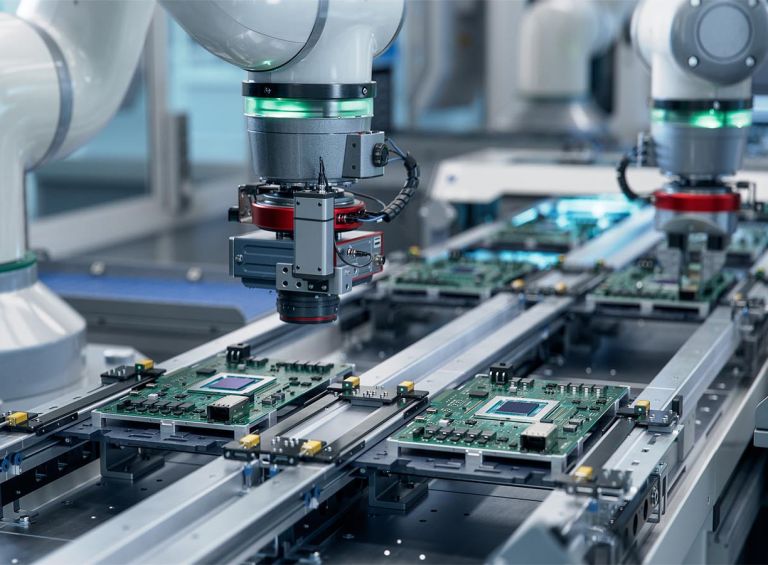
Equip your team to quickly and effectively identify, analyze, and address PCBA production defects. Jim Hall and Phil Zarrow, the authors of Troubleshooting for Electronics Manufacturing and the acclaimed BoardTalk podcast, offer decades of practical insights that students can immediately use to increase reliability, yields, and cost savings.