

Result

Advanced Packaging: Introduction to Polymers introduces the types of polymers and polymer composites used in advanced packaging applications, package types, and trends in packaging architecture.
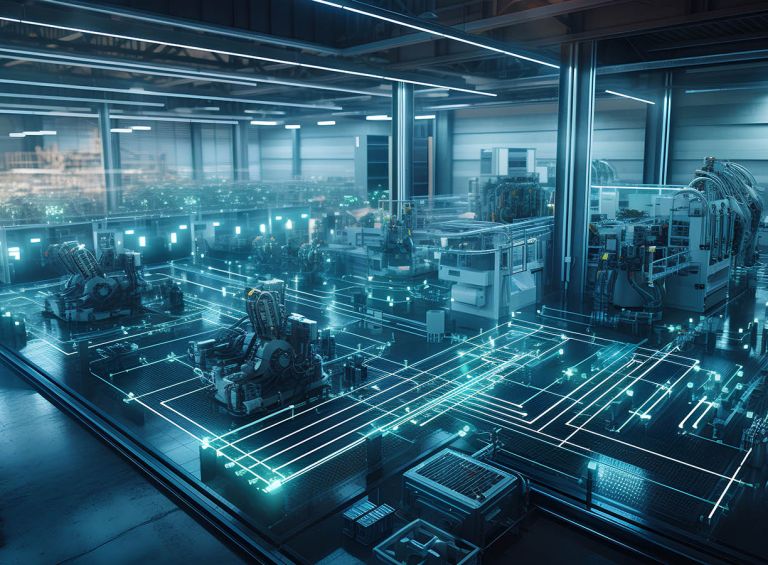
In this course, we will review the data produced by factory machines such as SMT and test equipment and how AI tools can be leveraged to assist with the analysis and interpretation of the data. The course is designed around practical, interactive learning experiences with an anonymized real-world dataset and freely available analysis and visualization tools. AI agents and copilots will be directly created live in the course using UI tools to visually illustrate the concepts and show what is possible with current technologies.
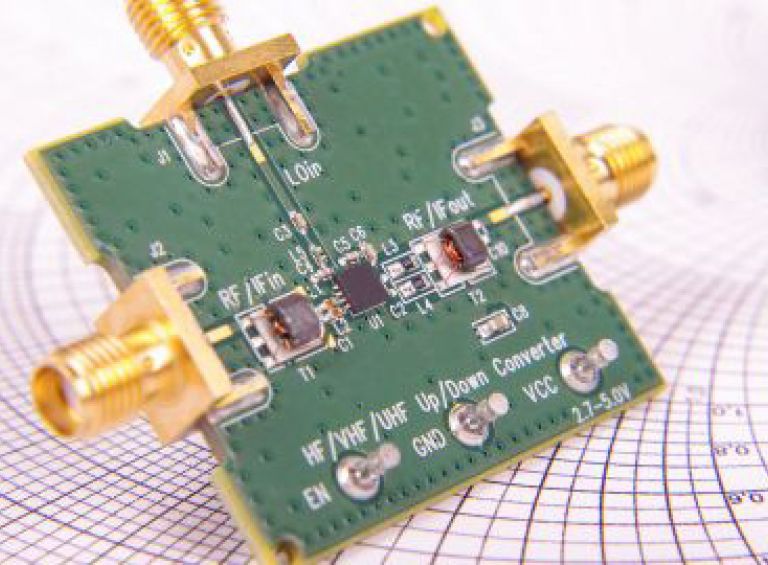
Taught by a process-driven PCB design engineer with more than 30 years of experience in the electronic and aerospace industry, this three-week program aims to improve the board designs from engineers of varying levels of proficiency and elevate your designs to be more precise and yield-worthy. The principles and methods you’ll learn here are essential for adapting to the specific requirements of all boards, including complex RF and mixed-type designs.

Taught by an IPC-certified industry expert with more than 30 years of experience in the field, this 6-week online program covers the key business and technical concepts that program managers in the electronics industry need to turn customers into lifelong clients.

In industries where precision and reliability are non-negotiable, from healthcare to automotive, aerospace, and beyond, the presence of counterfeit electronic components can spell disaster. Not only do these components have the potential to cause significant financial loss, but they also pose serious risks to safety and could be life-threatening.

Engineers make decisions every day that impact manufacturing. Make sure it's a positive impact by introducing the key concepts, tools, materials, and processes critical for engineers to succeed in electronics assembly.
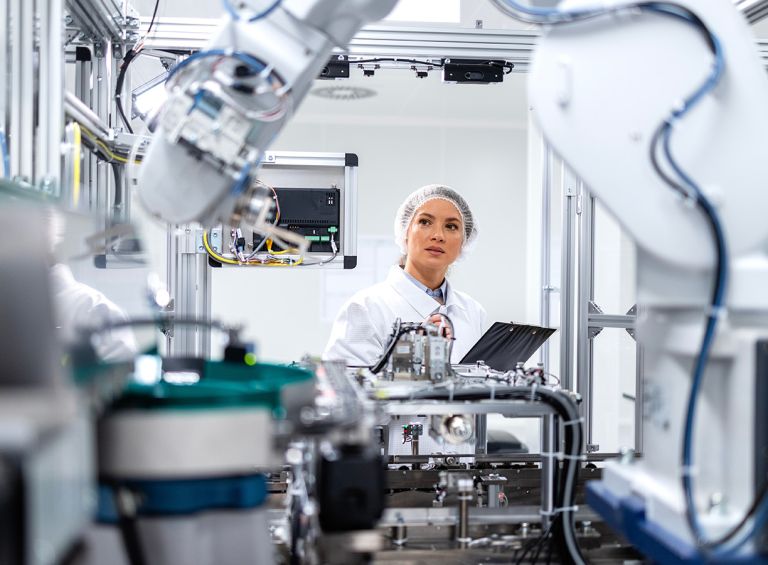
Help your team enhance product reliability, reduce rework and scrap, and ensure customer satisfaction. This comprehensive overview of process control methodology will empower technicians and engineers to utilize the IPC-A-610 Standard and its associated Handbook to consistently meet acceptance criteria throughout the assembly process.
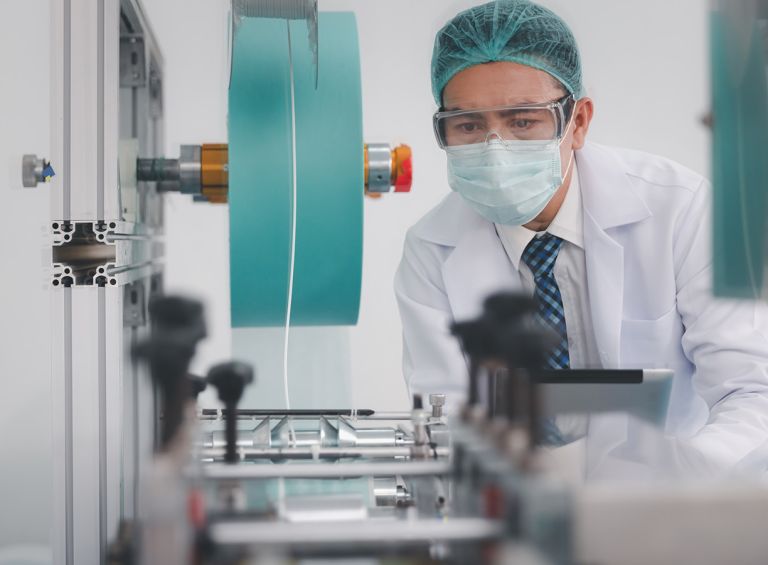
A comprehensive overview of process control methodology including how to utilize the IPC-J-STD-001 Standard and its associated Handbook to consistently conform to acceptance criteria throughout the assembly process.
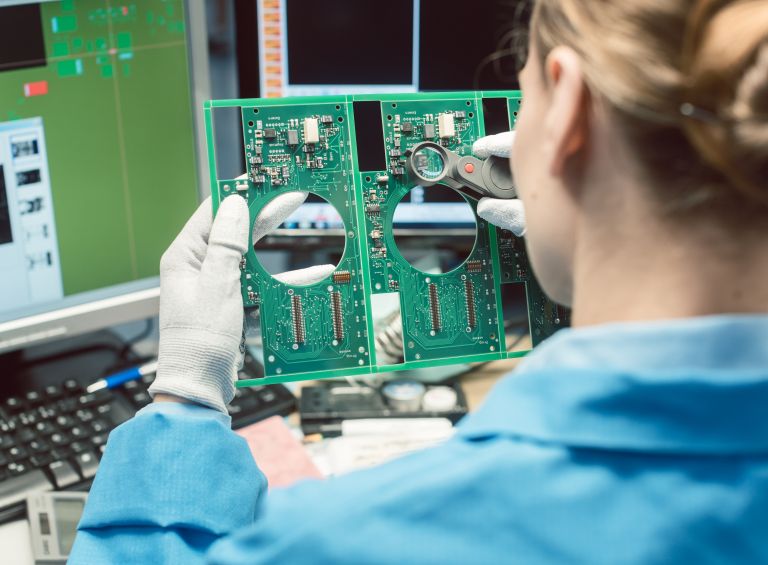
This Inspection of Electronic Assemblies: Introduction course trains participants to perform "incoming inspection" using the essential tools, materials, and processes that deliver consistent quality products. Completion of this course delivers a professional level of proficiency in acceptability standards, inspection methods and tools, documentation, and component characteristics.
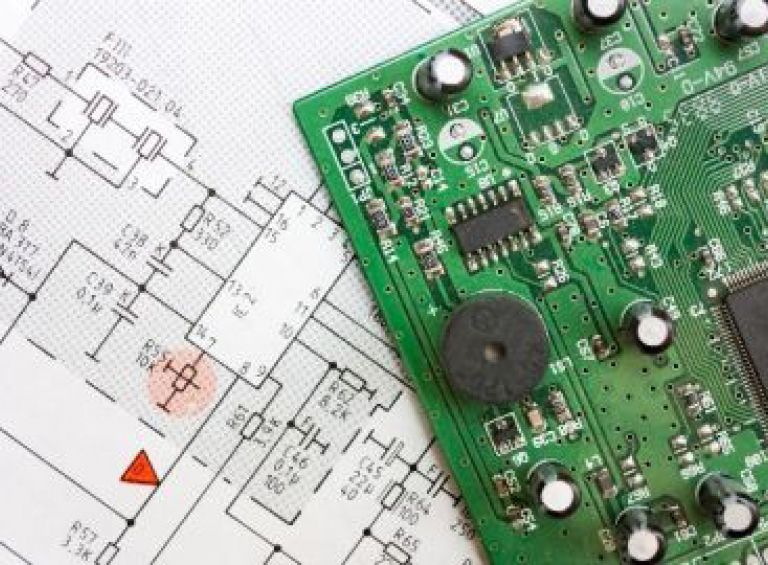
In this course, participants employ the lessons learned in Introduction to PCB Design I to effectively implement their designs using techniques such as multi-layer routing, signal integrity, transmission lines, and more. The course also focuses on how manufacturing and assembly techniques impact design, documentation and manufacturing file generation.
In un settore altamente competitivo come quello dell'elettronica, le conoscenze e le competenze di chi progetta il layout del circuito stampato (PCB) e del suo assemblaggio (PBA) hanno un impatto diretto sul successo o sul fallimento del prodotto e incide sul time-to-market. Il corso IPC PCB Fundamentals II è pensato per fornire le competenze necessarie alla progettazione di PCB/PBA che rispecchi _ l'intento progettuale, partendo dalle regole di progettazione necessarie e nel rispetto degli standard IPC.
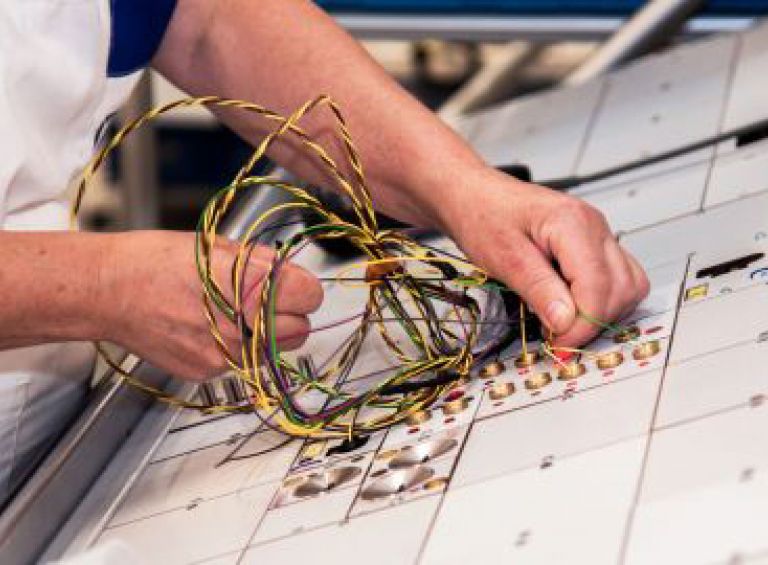
This course provides a practical introduction to the terms, concepts, and acceptability criteria of the IPC/WHMA-A-620 standard as they apply to the role of the operator.
Onboarding manufacturing engineers new to the electronics industry can be a daunting task. What if you had a self-paced course that provides a comprehensive overview of the roles and responsibilities of manufacturing engineers in our industry? IPC worked with industry subject-matter experts and instructional designers to create an introductory course that takes approximately 3-1/2 hours to complete. In addition to understanding the role, participants will also learn to use documentation control systems, product identification, and product traceability.
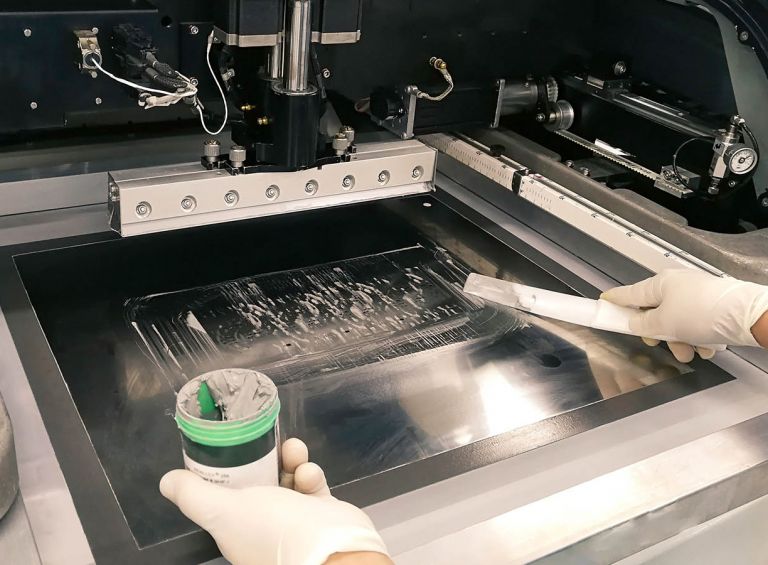
A comprehensive overview of the stencil printing process for a manufacturing engineer. Participants will learn how to select and store solder pastes & adhesives. They will also learn how to create and maintain stencils, the function of the stencil printer, as well as how to set up the stencil printer for a new product introduction, or NPI, run.

This course provides a comprehensive overview of the surface mount assembly process including information on component considerations, selecting and setting up pick and place machines, and the reflow process. Participants can take this content-specific course to learn more about the role of manufacturing engineers regardless of company size and industry sector.

This course provides a comprehensive overview of component preparation, tool selection, manual component insertion, and automated component insertion in electronics assembly with through-hole components. Participants can take this content-specific course to learn more about the role of manufacturing engineers regardless of company size and industry sector.
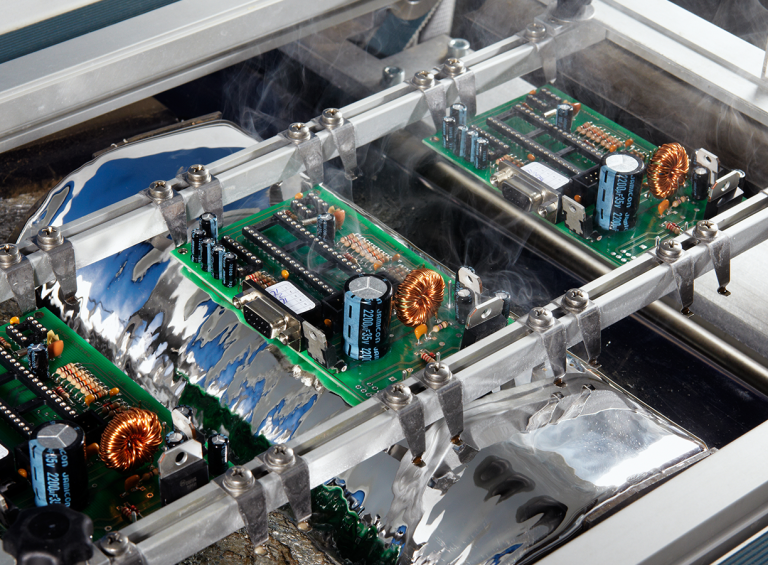
In this course, you will be able to set up, monitor, and maintain wave and selective soldering equipment to support consistent, high-quality production. You will know how to apply process parameters, interpret profile data, select the right nozzles and solder pot configuration, and implement maintenance procedures that reduce variation, prevent common defects, and keep your line running efficiently.
This course introduces advanced PCB design techniques for next-gen applications. Topics include layout, routing, materials, manufacturing, and documentation, with a focus on Ultra HDI, 3D printed electronics, and optical transmission line structures. Learn to design high-performance, manufacturable PCBs for cutting-edge technologies.

Taught by an industry expert with more than 40 years of experience in the field, this three-week online program is designed to provide the knowledge and skills necessary to reduce or eliminate design, documentation, and capability issues that often arise when completed PCB designs are sent to the fabricator for production.
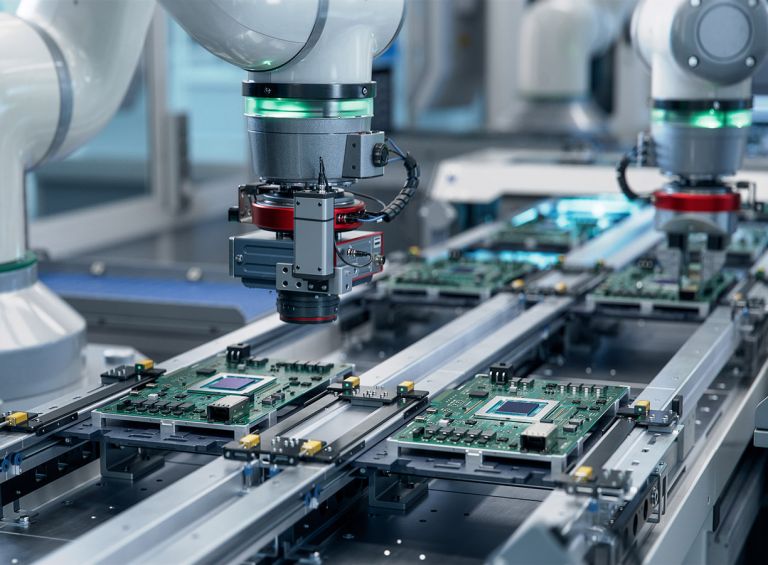
Navigate the future of manufacturing design! Dive into the latest DFM trends, from evolving component technology to cutting-edge assembly processes. Master the art of modern manufacturing. Design smarter, today
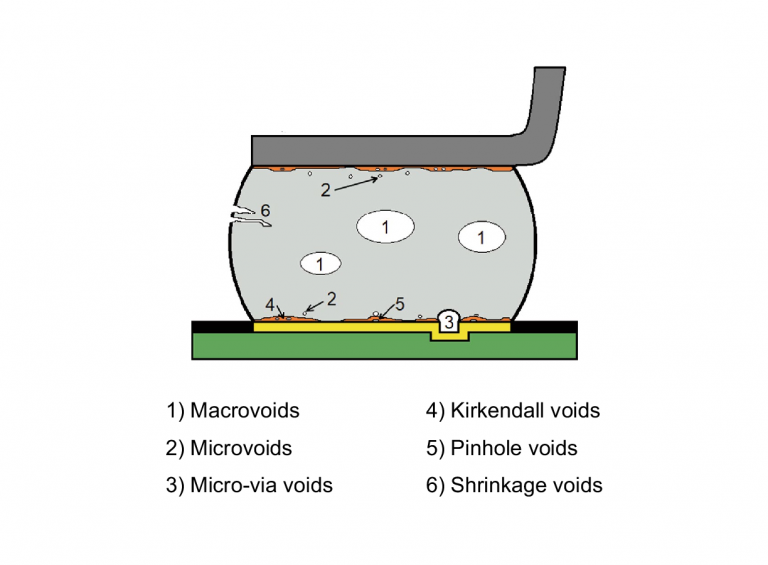
This course aims to enhance product reliability and maintain high production yields by offering comprehensive insights into solder joint voids. We will explore the origins of these voids, understand their causes, and analyze their impacts on solder joint efficacy and overall product dependability.

The Train-the-Trainer course equips subject-matter experts (engineers, technicians, CITs/MITs) with the instructional knowledge, pedagogical and andragogical principles, and facilitation skills necessary to effectively teach operators, technicians, and engineers in electronics manufacturing.
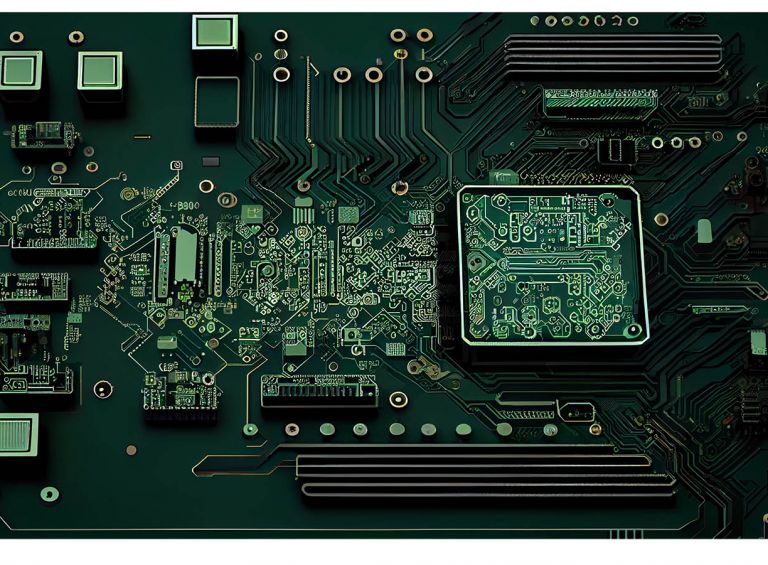
The Transform Your Constraint Engineering PCB Designs course is developed to provide specific paths to understanding Electrical and Mechanical Models which allows the experienced PCB design engineer opportunities to generate specific routing features to help improve, develop, and advance their design skills into a robust engineering skill set.
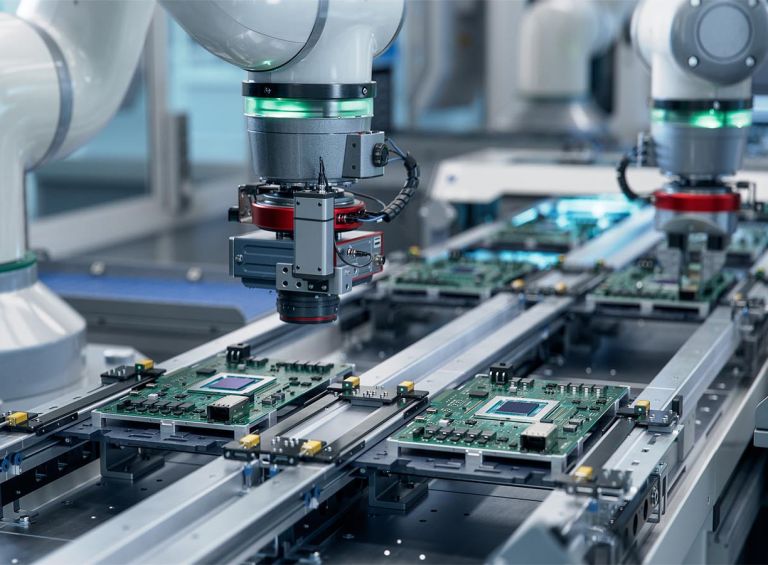
Equip your team to quickly and effectively identify, analyze, and address PCBA production defects. Jim Hall and Phil Zarrow, the authors of Troubleshooting for Electronics Manufacturing and the acclaimed BoardTalk podcast, offer decades of practical insights that students can immediately use to increase reliability, yields, and cost savings.